





























 By
By
As the vaping industry has matured, many early adopters are now reaching significant milestones in their usage history. If you have been using e-cigarettes for roughly 1,000 days, a critical question likely occupies your mind: Can lungs heal after 3 years of vaping? Whether you are noticing a slight "vaper’s cough" or simply want to reclaim your peak fitness, understanding the mechanisms of lung recovery after quitting vaping is the first step toward a healthier lifestyle.
The Science of Recovery: Can Lungs Heal After Vaping?
The human respiratory system is built for resilience. Its primary function is to exchange oxygen and carbon dioxide, but it also possesses a sophisticated self-cleaning mechanism. When you stop inhaling aerosols, the vaping lung damage reversal process begins almost immediately.
After three years of consistent use, your lungs have likely been exposed to various humectants (Propylene Glycol and Vegetable Glycerin), nicotine, and flavouring particulates. These substances can cause "reactive airway disease" or chronic inflammation. However, unlike the tar produced by combustible tobacco, many of the irritants in vape aerosol do not linger indefinitely. Lungs heal 3 years vaping survivors by shedding inflamed cells and regenerating the protective lining of the airways.
Inflammation vs. Permanent Scarring
The most important distinction in lung function improvement after stopping vaping is between inflammation and fibrosis (scarring). Three years is generally considered a "short-to-medium" duration in clinical terms. In most healthy individuals without underlying conditions, the damage sustained during this period is largely inflammatory. Once the "trigger"—the vape aerosol—is removed, the swelling in the bronchial tubes subsides, allowing for much clearer airflow.
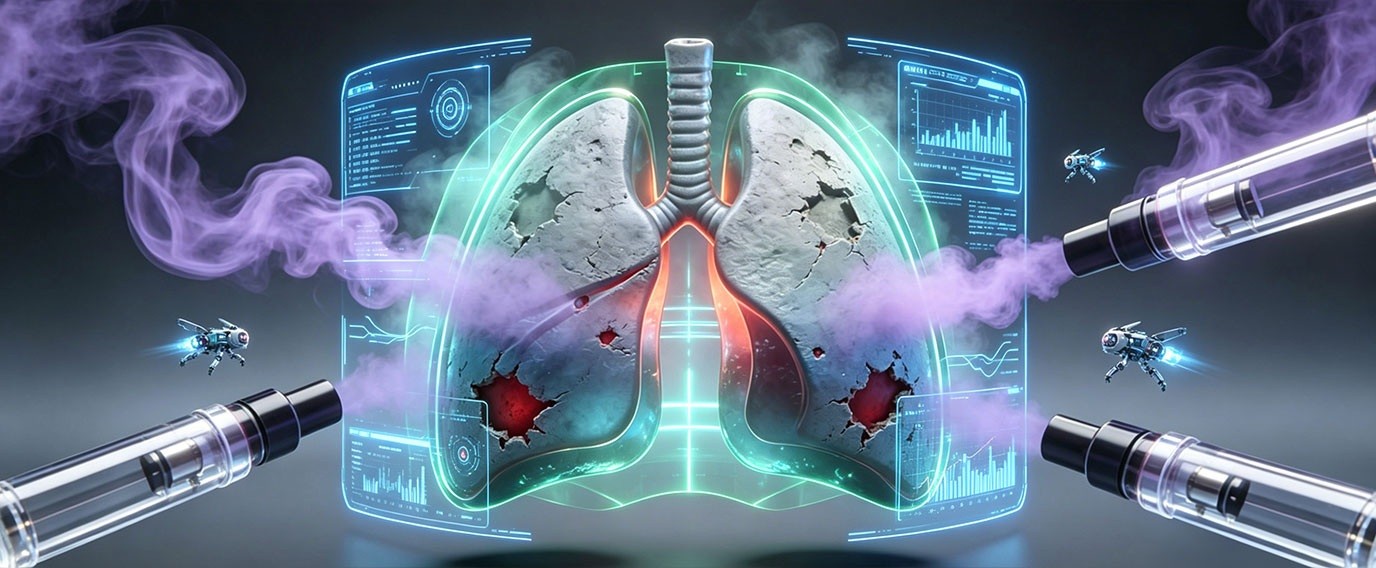
Scientific assessment of lung recovery and inflammation reversal.
The Recovery Timeline: How Long for Lungs to Heal?
If you are looking for a specific lung repair timeline after quitting vaping, the body operates in stages. Understanding these milestones can help manage expectations and keep you motivated during the cessation process.
| Time Since Last Puff | Biological Recovery Stage |
|---|---|
| 24 Hours | Carbon monoxide levels in the blood drop to normal; oxygenation improves. |
| 72 Hours | The bronchial tubes begin to relax, making breathing noticeably easier. |
| 2 - 4 Weeks | Ciliary function (the lung's "brooms") restores; mucus is cleared more efficiently. |
| 3 - 9 Months | Coughing and shortness of breath decrease significantly; lung capacity increases by up to 10%. |
Does Vaping Cause Permanent Lung Damage?
A common fear for those who have vaped for several years is the threat of "Popcorn Lung" (Bronchiolitis Obliterans) or EVALI. While these conditions are serious, they are not inevitable consequences of vaping. In the UK, strict TPD (Tobacco Products Directive) regulations ban the use of diacetyl—the chemical linked to popcorn lung—in e-liquids.
However, vaping effects on lungs reversible status depends on your personal health history. If you have vaped high-wattage devices with poor-quality juices for three years, you may have induced "oxidative stress." The good news is that clinical studies, such as those cited by Cancer Research UK, suggest that the respiratory risks of vaping are significantly lower than those of smoking, and the majority of cellular changes revert toward baseline after cessation.
Signs Your Lungs are Healing
As you navigate the how long for lungs to heal after 3 years vaping journey, you might experience several positive "healing symptoms":
- Productive Cough: This is actually a good sign. It means your cilia are active again and clearing out trapped debris.
- Reduced Heart Rate: Without the constant intake of nicotine, your cardiovascular system experiences less strain.
- Increased Stamina: You may find that climbing stairs or jogging becomes less taxing as your blood oxygen saturation stabilises.
Maximising Your Recovery Post-Vaping
To ensure vaping lung damage reversal is as comprehensive as possible, consider adopting specific lifestyle changes that support respiratory health. Healing isn't just about what you stop doing; it's also about what you start doing.
1. Hydration is Key: The thin layer of fluid in your lungs (the periciliary layer) needs water to function. Drinking plenty of fluids ensures that mucus remains thin and easy to expel.
2. Aerobic Exercise: Engaging in cardio 3-4 times a week forces your lungs to work at a higher capacity, which can help "stretch" and strengthen the diaphragm and intercostal muscles.
3. Pulmonary Hygiene: Avoid second-hand smoke, heavy perfumes, or areas with high pollution during your first six months of quitting. Your lungs are in a "vulnerable" state of repair and need clean air to facilitate cellular turnover.
The Bottom Line
The concern over whether lungs heal after 3 years of vaping is valid, but the evidence leans heavily toward a positive outcome. While we are still learning about the long-term effects of e-cigarettes, the human body’s capacity for lung function improvement after stopping vaping is immense. By quitting now, you are preventing the transition from temporary irritation to chronic, irreversible conditions.
Frequently Asked Questions
Q1: Can 3 years of vaping cause permanent damage?
A: For most people, 3 years of vaping causes reversible inflammation. Permanent damage like COPD or fibrosis usually requires much longer exposure, though individual sensitivity varies.
Q2: Why do my lungs hurt more after I stop vaping?
A: This is often due to the "awakening" of your nerve endings and cilia. As inflammation goes down and the lungs start cleaning themselves, you may feel temporary discomfort or increased coughing.
Q3: Will my lung capacity return to normal?
A: In many cases, yes. Lung function improvement after stopping vaping typically reaches its peak about 9 months after the last use.
Q4: Is a "vaper's tongue" related to lung health?
A: No, vaper's tongue affects your taste buds, but it is a sign that your body is being over-saturated with chemicals, which often correlates with heavy lung exposure.
Q5: Does vaping cause as much damage as cigarettes in 3 years?
A: Clinical data from the NHS suggests vaping is roughly 95% less harmful than smoking, meaning the recovery for a vaper is typically faster than for a smoker.