








































 By
By
The British vaping landscape is undergoing its most radical transformation to date. As the government moves to implement the Tobacco and Vapes Bill, the industry faces a future defined by tight restrictions and a return to smoking cessation fundamentals. This report explores the impact of these changes on users, retailers, and public health.
The End of Choice? Understanding the New Flavour Restrictions
For years, the United Kingdom has been a global beacon for tobacco harm reduction. Health bodies like the NHS have consistently supported vaping as a significantly less harmful alternative to combustible cigarettes. However, that supportive environment is being recalibrated to address a new concern: the rise of youth vaping. The primary target of this legislative shift is the vast array of vape flavours that have populated shop shelves for the last decade.
Under the new proposals, the "confectionery-style" names and profiles—such as gummy bears, cotton candy, and slushie blends—will be prohibited. The government’s intent is to strip away the lifestyle appeal of these products, moving towards a "positive list" of approved ingredients. Early indications suggest that the market will be limited to a small selection of profiles: tobacco, menthol, mint, and basic fruit. This move aims to ensure that while vapes remain an effective tool for adult smokers, they no longer represent an attractive "hobby" or fashion statement for minors.
Industry leaders, including those referenced by Vape Club, argue that the diversity of taste is what keeps many ex-smokers from returning to tobacco. The challenge for the government in 2026 is to find the "sweet spot" that protects children without inadvertently driving adults back to the habit that kills over 75,000 people in the UK annually.
Legislation Deep Dive: The Tobacco and Vapes Bill
The legislative framework behind these changes is the "Tobacco and Vapes Bill," a historic piece of legislation designed to create the UK's first "smoke-free generation." The bill introduces a rolling age limit for tobacco sales, effectively banning anyone born after 2009 from ever legally purchasing cigarettes. To support this, the government is introducing sweeping powers to regulate the "vaping experience."
Beyond the taste profiles, the bill focuses on the chemical composition of vape liquids used in refillable devices. There will be stricter limits on certain additives that enhance sweetness or create "cooling" sensations, which are believed to increase the palatability of nicotine for first-time users. Furthermore, the visual presentation of these products will change. Standardised packaging rules are expected to be enforced, requiring plain, medicinal-looking boxes that lack the vibrant colours and cartoonish graphics currently found in the market.
This shift towards a more clinical appearance is a deliberate attempt to reposition vapes as a "quitting aid" rather than a consumer technology product. For the consumer, the days of eye-catching displays in newsagents are numbered, as products will likely be moved behind shutters or into specialist retail environments.
The Hardware Pivot: Why Disposables are Disappearing
One of the most visible changes for vapers will be the total ban on single-use devices. Disposables have dominated the market since 2021, but they have become a flashpoint for environmental and social criticism. Not only are they the most popular choice among underage users, but they also contribute to a massive waste problem, with millions of lithium batteries ending up in landfills every week.
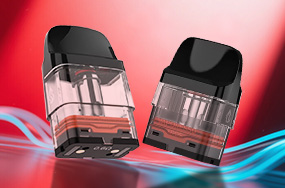
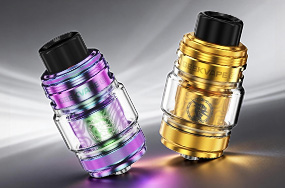
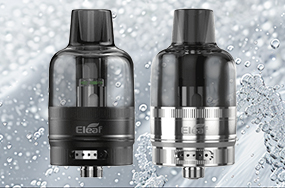
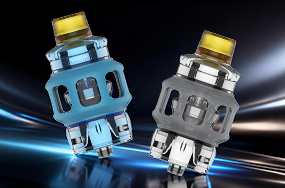
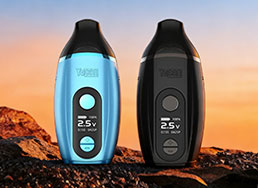
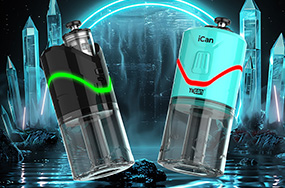
The removal of disposables from the market is expected to spark a massive resurgence in the popularity of reusable vapes. These devices, which allow users to recharge the battery and refill the pod or tank, are seen as the "gold standard" for sustainable vaping. For many current users of "puff bars," this will require a learning curve as they transition to devices that require more active maintenance. However, this transition is viewed by public health experts as a positive step, as it discourages the "impulse buy" nature of vaping and promotes a more intentional use of nicotine.

Direct Comparison: The Vaping Market Transformation
The following table illustrates how the market standards are shifting between the current era and the post-ban landscape:
| Market Element | Pre-Ban Environment | Post-Ban Regulatory Era |
|---|---|---|
| Product Variety | Unlimited sweet/dessert options | Restricted "Positive List" (Tobacco/Mint) |
| Device Longevity | Single-use/Disposable dominant | Refillable/Rechargeable only |
| Consumer Cost | Low entry cost, high waste | Higher initial cost, lower long-term spend |
| Accessibility | Ubiquitous (Supermarkets/Newsagents) | Restricted retail/Specialist shops |
The Digital Shift: Impact on Online Retail
The economic ripple effects of these bans will be felt most acutely on the high street, where many small vape boutiques rely on the high-turnover sales of colourful disposables. However, this is expected to drive more experienced users toward a reputable vape online shop for their supplies. Online retailers generally offer a wider selection of compliant hardware and professional-grade nicotine products that high-street generalists cannot stock.
Analysts suggest that while the "casual" market might shrink, the dedicated community of ex-smokers will become more reliant on digital platforms for information and support. Online retailers are already beginning to pivot their business models, moving away from "flavour-first" marketing and towards "solution-first" educational content. This digital evolution will be crucial in ensuring that smokers who are genuinely trying to quit still have access to the tools they need in a more restricted legal environment.
Preparing for the Transition: A Guide for Current Vapers
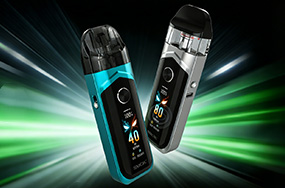
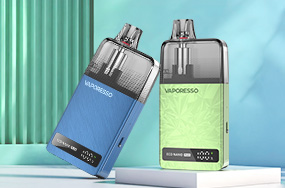
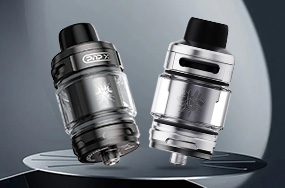
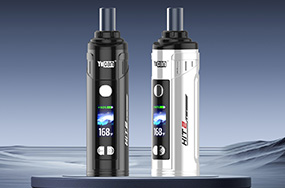
For the millions of UK adults currently vaping, the road to 2026 involves some practical adjustments. The most significant move is the investment in high-quality vape kits. Unlike the basic disposables, these kits allow for much greater control over the vaping experience. Users can adjust airflow, wattage, and coil resistance to find a "throat hit" that mimics a cigarette more effectively than a standard puff bar ever could.
Furthermore, vapers are encouraged to start transitioning their taste preferences early. By moving from extremely sweet liquids to more traditional menthols or mild fruit blends now, the eventual disappearance of "gourmet" juices will be less disruptive to their quitting journey. The goal is to separate the nicotine delivery from the "treat" aspect of vaping, reinforcing the idea that these products are a path to a smoke-free life, not a new addiction in themselves.
Conclusion: A Balanced Future for Harm Reduction
The UK's flavour ban and disposable crackdown represent a "reset" for the industry. While the era of vibrant clouds and exotic tastes may be ending, the era of regulated, responsible, and sustainable vaping is just beginning. By prioritising the protection of the youth while maintaining paths for adult cessation, the government is attempting to preserve the core benefits of vaping while eliminating its social and environmental costs. For the industry to survive, it must embrace these changes, focusing on quality, transparency, and the ultimate goal of a tobacco-free United Kingdom.
Frequently Asked Questions
1. Is the UK government banning all vape flavours?
No, not all flavours will be banned. The plan is to restrict flavours to a limited "positive list," likely including tobacco, menthol, mint, and some basic fruit profiles, while banning dessert and sweet-inspired options.
2. When will the disposable vape ban come into effect?
The ban on the sale and supply of disposable vapes is expected to be fully implemented by the first half of 2025/2026, depending on the final parliamentary schedule.
3. Can I still buy refillable vapes after the ban?
Yes, refillable and reusable systems will remain legal and are being encouraged by the government as a more sustainable alternative to single-use products.
4. How will the ban affect the price of vaping?
While reusable kits have a higher upfront cost, they are significantly cheaper over time than disposables. However, new taxes on vape liquids may increase the cost of a 10ml bottle in the future.
5. Why is the government focusing on flavours specifically?
Health officials believe that sweet and dessert-like flavours are a primary driver for youth initiation, making nicotine addiction seem "fun" and harmless to minors.
6. Will standard packaging be required for all vapes?
Yes, the bill includes provisions for standardised packaging to remove brand appeal, similar to the rules currently governing tobacco products.