
















































 By
By
Across the British Isles, a kaleidoscope of sweet-scented vapour is clouding the social landscape of the younger generation. What was once marketed as a nicotine replacement tool has undergone a radical transformation into a ubiquitous social accessory, sparking urgent debate among health officials and educators.
The Social Normalisation: Vaping as the New 'Handshake'
Recent social investigations have uncovered a profound shift in adolescent peer dynamics. According to data reported by ITV News, approximately two-thirds (66%) of young people now view vaping as "socially acceptable." In the eyes of Gen Z, the vape device has transcended its functional purpose, becoming a piece of social currency.
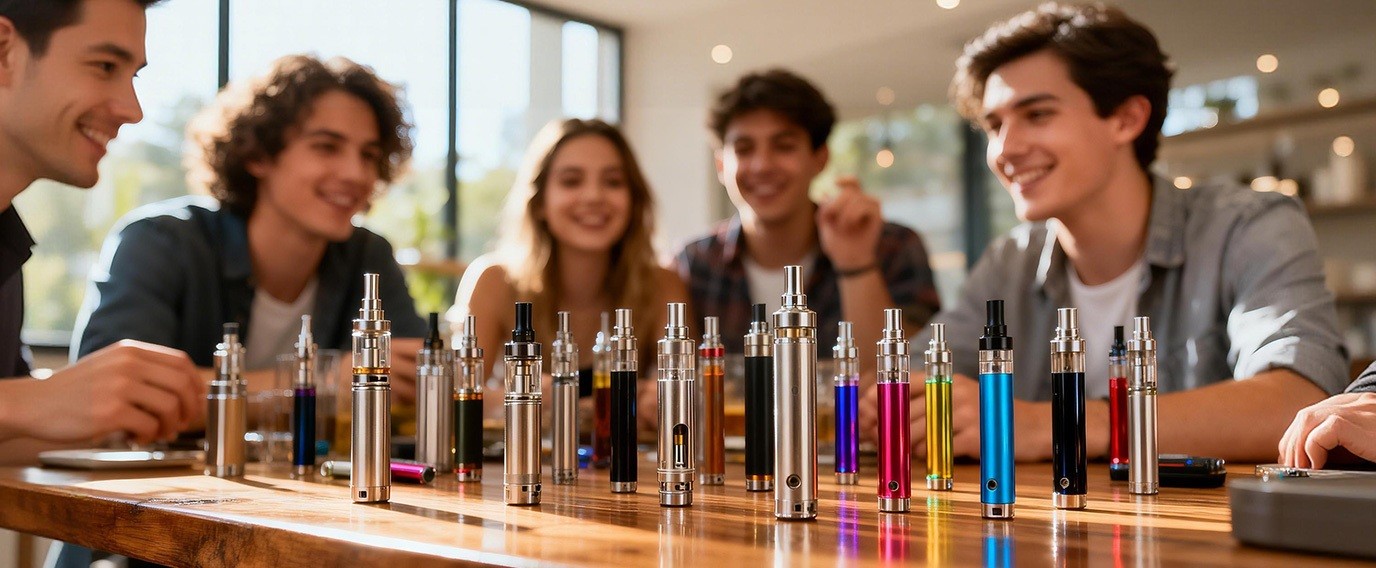
The ritual of "passing the vape" in parks, music festivals, or school common rooms has replaced older forms of social bonding. For many, declining a puff is no longer just a health choice; it is perceived as a refusal to participate in a shared cultural moment. This normalisation is fueled by the discreet nature of the devices and the absence of the lingering, offensive odour associated with cigarettes, making it easier for the habit to integrate into everyday British life.
Statistical Insight: Attitudes Toward Vaping Regulation
Public sentiment is shifting toward stricter controls as the "vaping epidemic" grows. Recent surveys conducted in Jersey and Guernsey (reflecting wider British regional trends) highlight a strong public appetite for decisive action. The data shows that while young people see vaping as normal, the broader community—including many young adults—is increasingly supportive of restrictive measures.
| Proposed Measure | Support Level (Strongly Support/Support) | Public Sentiment Analysis |
|---|---|---|
| Ban Vapes in Educational Settings | Approx. 80% | The most widely supported measure to protect school environments. |
| Targeted Youth Health Campaigns | Approx. 60-65% | Significant belief that education is key to reversing social trends. |
| Ban Vapes for those born after 2009 | Over 50% | Mirroring the "smoke-free generation" legislative logic. |
| Introduction of a Vape Tax | Approx. 50-55% | Divided opinion, though leaning towards price as a deterrent. |
*Data inspired by regional surveys in Jersey and Guernsey regarding youth vaping measures (2025/2026).
The Psychology of the 'Cool' Factor
The meteoric rise of vaping isn't just about the nicotine; it’s about the aesthetics of the "clout." Digital platforms like TikTok and Instagram have played a pivotal role in romanticising the habit.
1. Algorithmic Glamour
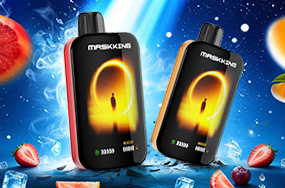
Short-form videos often feature sleek, brightly coloured "disposables" as part of a curated lifestyle. From "vape trick" tutorials to unboxing videos of limited-edition flavours, the industry has successfully utilised a visual language that speaks directly to a younger demographic.
2. The Stress Relief Fallacy
Many students cite "stress relief" as a primary reason for vaping. However, medical experts warn that the nicotine hit provides only a temporary reprieve from withdrawal symptoms—creating a cycle of anxiety and dependency that young users often mistake for a calming effect.
Regulatory Hurdles: The Disposable Dilemma
The UK government has faced significant challenges in curbing this trend. The explosion of disposable vapes—cheap, accessible, and high-strength—has largely bypassed older regulatory frameworks designed for refillable systems.
"We are witnessing a generation being 'hooked' not by necessity, but by design. These products are engineered to be addictive, eye-catching, and virtually invisible to parents and teachers." — Public Health Policy Consultant
Summary: Shifting the Narrative
Combatting the social normalisation of vaping requires more than just legislative bans. It necessitates a fundamental shift in how young people perceive their social autonomy. As regional data from the Channel Islands (Jersey and Guernsey) suggests, there is overwhelming support for banning vapes in schools and implementing targeted health campaigns.
As the UK looks toward a "smoke-free generation," the focus must remain on the subtle nuances of youth culture. Only through education and the promotion of genuine social connections can we hope to reverse this trend.
Frequently Asked Questions (FAQ)
A: According to ITV News, the lack of traditional tobacco odour and the sleek, tech-like design of modern vapes have removed the "dirty" stigma, making them a common sight in social circles.
A: Regional surveys indicate that "Banning vapes in educational settings" receives the highest level of strong support (roughly 80%), as people prioritise smoke-free learning environments.
A: The "fear of missing out" (FOMO) is a powerful driver. When a majority of a peer group vapes, it becomes a barrier to social interaction, pressuring non-users to conform to the "social norm."
A: Yes, survey data from Guernsey and Jersey show that over 50% of the public supports or strongly supports a tax as a deterrent for young buyers.
A: Health experts warn of a "gateway effect" where nicotine addiction established via vaping makes young people more susceptible to trying combustible tobacco later in life.
A: Sweeter flavours like fruit and candy are specifically designed to appeal to younger palates, which is why "Banning flavoured vapes" is a major point of legislative discussion with roughly 45-50% support.