
















































 By
By
UK Health Policy Update | Legislative Report
The United Kingdom might seem like it’s all about tea and never-ending rain, but the government is actually working to protect future generations. They have passed a new law through which they will stop future generations from buying tobacco.
However, we have to mention that vaping isn’t completely banned, but the rules just got very strict. This entire law has raised many questions because people don’t know everything about the law and how it’s going to impact young people. So, let’s check out the details.
What is the UK lifetime tobacco ban?
The what is the UK lifetime tobacco ban question is central to this new policy. The Tobacco and Vapes Act 2026 makes it illegal to sell tobacco to anyone born on or after 1 January 2009. This means that even when these individuals become adults, they will never be allowed to legally buy cigarettes or other tobacco products.
This is very different from past laws. Instead of setting a minimum age, the UK is creating a rule that follows a generation for life. It does not stop people from smoking directly, but it removes legal access to tobacco products for that group forever. (Source: BBC News)
UK smoke-free generation explained
To understand the bigger idea, the UK smoke-free generation explained means the country is slowly phasing out smoking. Each year, a new group grows up without access to tobacco, while older generations still have it. Over time, this reduces the number of smokers. Smoking becomes less common in daily life, and younger people are less likely to see it as normal. The long-term aim is a society where smoking almost disappears without a sudden ban.
UK smoking law changes 2026 explained
The UK smoking law changes 2026 explained go beyond just banning tobacco sales. The law also gives the government new powers to control how smoking and vaping are managed in public.
For example, smoking and vaping restrictions can now be extended to places like playgrounds, areas outside schools, hospitals, and even cars carrying children. These changes are designed to protect young people and reduce exposure to harmful smoke and vapour. There are also stronger enforcement rules; shops may need licenses to sell tobacco and vape products, and authorities can take action against illegal sales. Businesses that break the rules could face fines of up to £2,500. This shows the government is serious about making the law work in practice. (Source: GOV.UK)
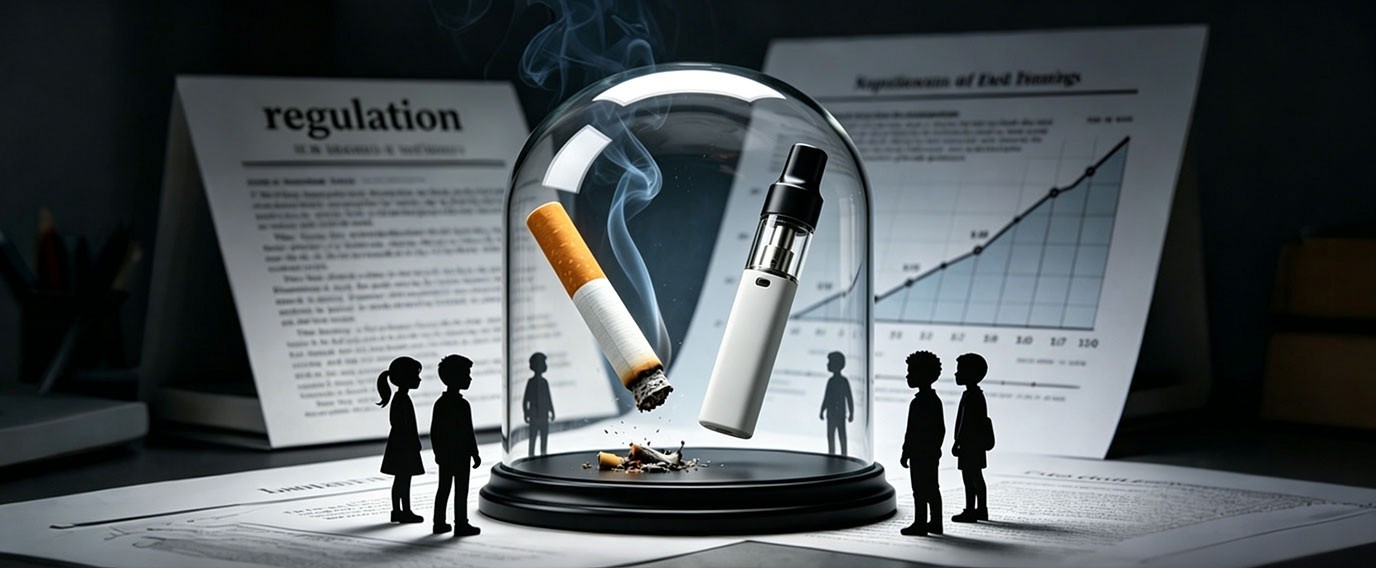
Figure 1: The UK's roadmap to a smoke-free generation targets retail sales and public space usage.
Are vapes included in the UK tobacco ban?
A common concern is whether vaping is part of this ban. The answer to whether vapes are included in the UK tobacco ban is no. Vapes are not covered by the lifetime tobacco ban. People born after 2009 will still be able to buy vapes once they turn 18. However, this does not mean vaping is being ignored; the government is introducing many new rules to control how vapes are sold and marketed.
UK vaping regulations vs tobacco laws
The UK vaping regulations vs tobacco laws show a clear difference in how the government is treating these products. Tobacco is being phased out for future generations, while vaping is being controlled more carefully. Vaping is still seen as a tool that can help adult smokers quit. Because of this, it is not being banned completely; instead, the focus is on reducing its appeal to children and teenagers.
Does UK ban vapes for future generations?
Many people ask, does UK ban vapes for future generations. The answer is no, but there is an important detail. While vapes are not banned, the rules around them are becoming much stricter. The government wants to make sure that young people are not drawn into nicotine use through vaping. This is why the new law focuses on limiting marketing, flavours, and product design.
New Vaping Rules Explained
The new vaping rules are designed to protect young people while still allowing adults to use vapes.
- Selling vapes to anyone under 18 remains illegal, and this rule will continue to be enforced strictly.
- Flavours that are seen as appealing to children may be restricted, especially sweet or candy-like options.
- Packaging is also being reviewed so that it is less colourful and less attractive to younger users. This reduces the chance of vaping becoming trendy among teenagers.
- Advertising and sponsorship of vape products are also being limited, meaning fewer promotions that could influence young people.
- Shops may also face rules on how vape products are displayed, making them less visible and less tempting.
- Another important step is the crackdown on disposable vapes, which have become popular among young users because they are cheap and easy to use. By targeting them, the government hopes to reduce youth vaping rates. (Source: GOV.UK)
UK 2009 birth vape law explained
The UK 2009 birth vape law is often misunderstood. It does not ban vaping for this group; instead, it creates a clear difference between tobacco and vaping. People born in 2009 or later will never be able to buy tobacco. However, they can still buy vapes when they turn 18, though the products they can access will be more controlled and less aggressively marketed. This approach shows that the government sees vaping as a separate issue, even though both involve nicotine.
Impact on Society and Young People
For young people, the law could lead to healthier lifestyles. With less exposure to smoking and fewer opportunities to start, the risk of addiction may fall. It also changes social norms, making smoking less common and less accepted. For society, the benefits could be significant, as fewer smoking-related illnesses mean less strain on healthcare services. Over time, this could save money and improve the overall quality of life. However, there are challenges, such as worries about illegal sales or fairness between age groups. Retailers are also concerned about how the rules will affect their businesses. These issues will depend on how well the law is enforced.
Conclusion
This new law from the UK is a huge shift when it comes to public health policy. Since there is a lifetime ban on tobacco for the coming generations, they are thinking long-term to help end smoking. In addition, they are managing vaping through proper regulations rather than putting a complete ban. We’d say that it’s a very balanced approach for protecting young people while supporting adult smokers who want to quit smoking. If this law works as they think, future generations won’t think that smoking is normal.
Frequently Asked Questions
1. What is the UK lifetime tobacco ban?
When it comes to the lifetime tobacco ban, it stops everyone born after January 2009 from purchasing tobacco products. This is a long-term plan to help reduce smoking in future generations.
2. Are vapes included in the UK tobacco ban?
No, the vapes aren’t included in the lifetime ban. This means that adults can purchase vapes, but there are strict regulations so youth cannot access them.
3. Does UK ban vapes for future generations?
No, they aren’t banned, but the regulations are very strict. This is because they want to reduce the use of vaping among young people by limiting the product design, flavours, and marketing.
4. What is the UK smoke-free generation explained?
This means that people born after 2009 cannot buy any tobacco products legally. This will help reduce smoking rates and put an end to smoking normalisation.
5. What are UK vaping regulations vs tobacco laws?
There is a difference in the approach; tobacco has a lifetime ban, while vaping is legal but has controls and regulations.