













































 By
By
Introduction
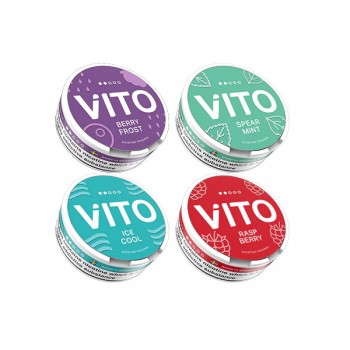
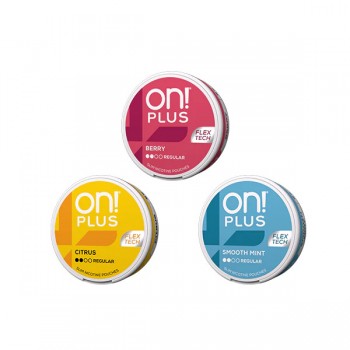
The nicotine pouches are becoming increasingly popular in the US, UK and EU, and the items are ZYN, VELO, On!, Nordic Spirit, which are being marketed to the adult nicotine users as a mainstream product. Their free of smoke, non-intrusive design is especially appealing to people who are seeking an alternative to cigarettes or vaping. So the primary question is, are nicotine pouches safe or not?
This guide contains evidence-based, easy explanations of the essence of the nicotine pouches, the mechanism of action, the potential health effects, and the key questions that adults need to learn before using them. All information has been backed up with established findings of reputable state health agencies like the CDC and FDA.
What Are Nicotine Pouches?
Nicotine pouches are tobacco-free, smoke-free oral nicotine products, not cigarettes or vaping products. They are small, inconspicuous packets that pass under the lip and contain nicotine, which gets into the mouth tissue. This enables users to obtain nicotine without smoke or vapour, which presents a possible less harmful option to cigarettes for adult smokers.
Key Ingredients in Nicotine Pouches
Most nicotine pouches are safe, and they contain manageable substances, including:
- Nicotine which is a man-made or tobacco-based substance.
- Fibre provides support and contains water, which is plant-based.
- Additional flavourings in most instances, like mint, fruit or citrus.
- Sweeteners and food-grade stabilisers to maintain its fresh and tasty flavour.
Nicotine Strengths and Leading Brands
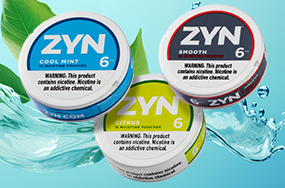
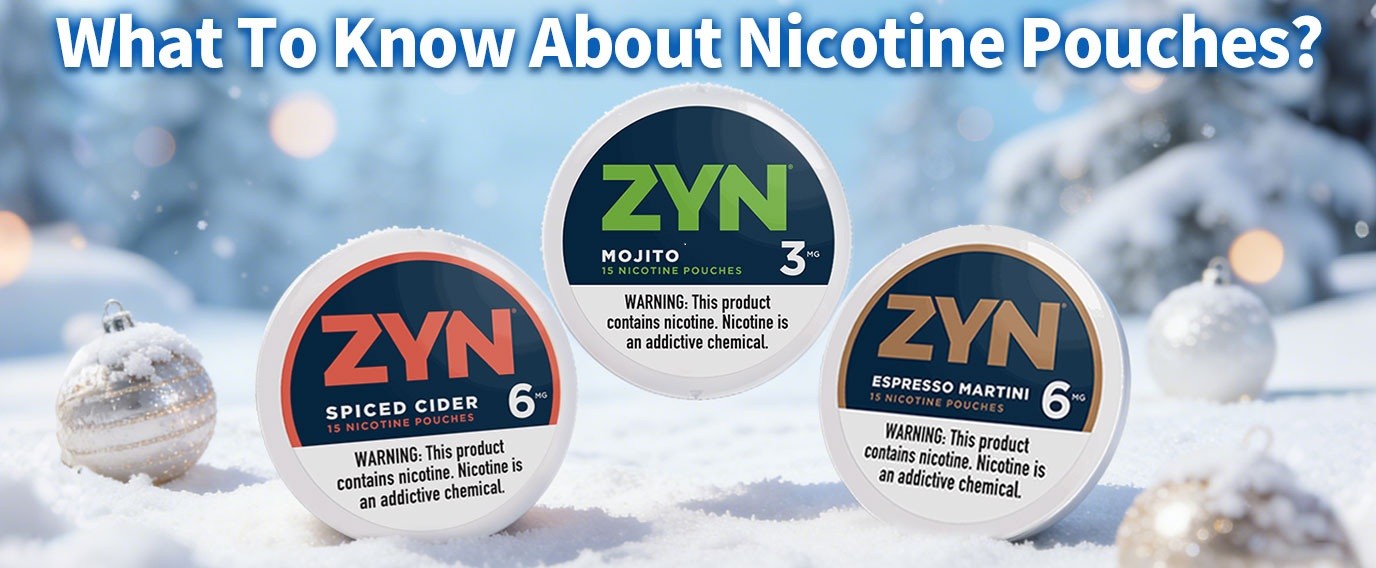
The nicotine content is 2mg to 12mg, depending on the tolerance of the user. The most popular brands are:
| Brand | Nicotine Strength |
|---|---|
| ZYN | 3 mg, 6 mg |
| VELO | 4 mg, 6 mg, 10 mg |
| On! | 2 mg, 4 mg, 8 mg |
| Nordic Spirit | 4 mg, 8 mg |
Why Nicotine Pouches Are Considered Lower-Risk
There’s no tobacco leaf in nicotine pouches, and they do not undergo any combustion process; thus, the smokers do not absorb smoke, tar, and thousands of other harmful chemicals, which are customarily linked to smoking cigarettes. Thus, they are a less harmful form of delivering nicotine, yet they also have addictive nicotine and must be taken responsibly.
Nicotine Pouches vs. Cigarettes, Vaping, and NRT
The difference between nicotine pouches and cigarettes, vaping, and NRT products that are medically approved should be understood by any individual considering safer nicotine products. The products have varying degrees of risk, potential to be addictive, and regulatory control. The table below is a clear, evidence-based breakdown that might assist adults in making informed decisions.
| Product Type | Smoke/Combustion | Nicotine Addiction Risk | Known Long-Term Risks | Regulatory Status |
|---|---|---|---|---|
| Cigarettes | Yes | Very high | Cancer, heart disease, lung disease (CDC) | Not approved for health use |
| Vaping | No (but aerosol) | High | Respiratory irritation; long-term effects under study (FDA) | Not FDA-approved for cessation |
| Nicotine Pouches | No | High | Oral irritation, cardiovascular effects; limited long-term data | Not FDA-approved for cessation |
| Nicotine Replacement Therapy (NRT) | No | Low | Well-studied safety profile (FDA) | FDA-approved cessation aid |
Key Takeaway: Nicotine pouches are less harmful in comparison with smoking, but they also include harmful nicotine that is addictive as well as health-related issues.
Are Nicotine Pouches Safe? What Research Shows
Nicotine pouches are indeed less risky in comparison to smoking, but not harm-free. This is what research and authorities in the field of health show:
Addiction & Dependence of Nicotine Pouches
Nicotine is a highly addictive drug. Regular use can cause:
- Tolerance: Need for increased nicotine intake with time.
- Dependence: The physical dependency leads to the inability to quit.
- Withdrawal: Users find it difficult to concentrate, have cravings, and experience irritability.
- Habit formation: It is connected with everyday habits or stresses.
Tip: Mild pouches should be used at first so that they are not used too frequently to avoid addiction.
Oral & Dental Effects
Nicotine pouches are placed against the gums, which may result in:
- Gum irritation and soreness
- Dry mouth
- Teeth get hypersensitive
- Long-term usage leads to gum shrinkage
Studies indicate that it is capable of altering the mucosa and inducing inflammation of the mouth. Long-term effects are also associated with oral cancer, which is still being researched (RDH Mag).
Tip: Change the position of the pouch in the mouth and attend regular dental appointments.
Cardiovascular Effects
Nicotine provides an increase to the cardiovascular system:
- There is an increase in heart rate.
- Elevates blood pressure
- Increased stress hormone secretion
The effects are mostly mild in healthy adults, but they can be dangerous to individuals with heart disease or high blood pressure (PubMed).
Tip: Although you may have heart conditions, consult your physician before using the nicotine pouches.
Chemical Exposure
Nicotine pouches do not contain tar, carbon monoxide and smoke byproducts. However, some of the flavourings and pH agents may irritate the oral tissues. According to current evidence, chemicals released from nicotine pouches are not very harmful, but there is a dearth of independent long-term studies.
Long-Term Safety
Nicotine pouches are quite new in comparison to cigarettes or Swedish Snus. The key arguments of the public health agencies are as follows:
- The effects cannot be discerned in long-term use of nicotine pouches (CDC, FDA)
- Gum and heart-related diseases can be a result of long-term use
- No evidence exists to prove that nicotine pouches cause cancer
Who Should Avoid Nicotine Pouches?
Nicotine pouches shouldn’t be used by the following individuals:
- Non-nicotine users
- Adolescents and teenagers
- Pregnant or breastfeeding women
- People with heart disease or high blood pressure
- Homes with small children or pets (may ingest them accidentally)
Nicotine can harm the development of the brain and unborn fetuses (CDC).
Can Nicotine Pouches Help You Quit Smoking?
A large population of adult smokers enjoy nicotine pouches as smoke-free, yet:
They are not sanctioned as FDA-approved products.
Clinically proven methods of quitting include:
- NRT: gum, patches, lozenges
- Prescription medications
- Behavioural support programs.
The nicotine pouches can replace the use of cigarettes and vape kits and reduce the exposure to the toxins of smoking, but to quit, approved cessation programs are required to be attended.
Harm Reduction: The Role of Nicotine Pouches
Among such adult smokers who are unable (or unwilling) to give up nicotine intake, the nicotine pouches can be used as replacements that provide:
- Lesser access to smoke and toxic substances
- Minimised risk of combustion associated with tar and carbon monoxide;
- No risk of passive smoking for other people.
Tip: Gradual withdrawal of nicotine can also get rid of nicotine dependence.
Practical Usage Tips for Adults
- Start slowly with weaker dose pouches to find out how you can tolerate them.
- Do not take more than the approved number of sachets of nicotine pouches, so that you may not get addicted to them.
- To prevent dryness caused by nicotine pouches, change the placement of pouches in your mouth.
- Drink plenty of water to avoid excessive dehydration.
- Have dental checkups regularly.
Conclusion: Are Nicotine Pouches Safe
Nicotine pouches are a variant and non-smoking method of receiving nicotine, which is provided to adult smokers as an alternative to conventional cigarettes and vaping. They also restrict the exposure to chemical and tar toxins, smoke-related toxins, because they do not involve combustion, hence they offer nicotine.
It is to be noted that the nicotine pouches are not safe. They remain nicotine addictives, which may lead to dependence and may lead to oral irritation, gum discomfort, or acute cardiovascular outcomes. The use of these products is not safe during long-term use and should not be applied among teens, young adults, pregnant and breastfeeding women. In addition, the nicotine pouches are not registered by any prestigious regulating bodies or the government to cease smoking.
Among the adults who can be interested in using nicotine pouches, one should be responsible and well-informed. Start with weaker and milder doses and decrease the quantity of the types you have daily, examine your mouth, and visit a medical professional in case you have heart problems or some underlying conditions.
Being aware of the risks and benefits of nicotine pouches, smokers are expected to make their decisions and consider nicotine pouches-often available through trusted retailers such as vapesourcing uk-as one of the components of a harm-reduction program or a safer alternative to cigarettes.
Frequently Asked Questions (FAQ)
Are Nicotine Pouches Safer Than Cigarettes?
Yes. They remove smoke, tar, and combustion byproducts, but nicotine risks remain.
Are ZYN Or VELO Nicotine Pouches Safer Than Vaping?
They avoid inhaling aerosol, but both still deliver nicotine. Safety depends on health conditions.
Can Nicotine Pouches Help Me Quit Smoking?
No. Use clinically approved methods like NRT, prescription medications, or behavioural support.
How To Use ZYN Nicotine Pouches?
Place a pouch between your upper lip and gum, let it sit for 20–40 minutes, then remove and dispose of it properly.
Are Nicotine Pouches Safe For Teens Or Pregnant People?
Absolutely not. Nicotine harms brain development and fetal health.
What Side Effects Should Users Expect?
Gum irritation, dry mouth, mouth sores, and temporary heart rate increases are common.
This guide provides an evidence-based explanation of nicotine pouches, including how they work, their potential risks, safety considerations, and what adults should know before using them.
— Author: Aurola
https://vapesourcing.uk/blog/are-nicotine-pouches-safe-what-you-need-to-know.html