































 By
By
Introduction
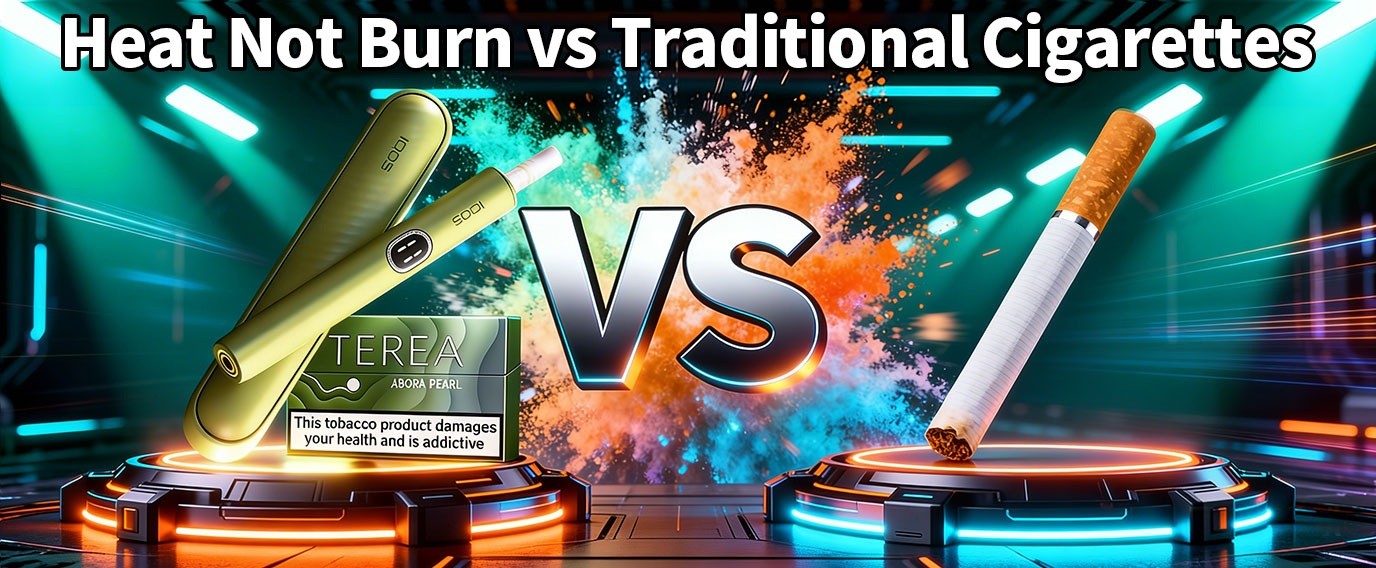
Heat-Not-Burn (HNB) tobacco products have become popular among adult smokers seeking an alternative to traditional combustible cigarettes. This article provides an evidence-based comparison of their mechanisms, usability, health risks, and user experience, offering a clear overview of HNB vs Traditional Cigarettes.
What Are Heat-Not-Burn (HNB) Products?
HNB devices heat-processed tobacco sticks to temperatures below 350°C without causing them to burn. They generate nicotine-containing aerosol rather than smoke and ash.
Device Types in the HNB Market
- Blade-based heaters: Heat tobacco internally using a metal blade.
- Induction heaters: Use electromagnetic induction for heating.
- Chamber heaters: Distribute heat inside an enclosed chamber.
How HNB Devices Work
- The battery heats the blade or chamber.
- Tobacco releases nicotine aerosol.
- Users inhale through a mouthpiece.
- Sessions are timed and shut off automatically.
What Are Traditional Cigarettes?
Traditional cigarettes burn shredded tobacco at 600–900°C, creating smoke, tar, carbon monoxide, and thousands of chemicals, including over 70 carcinogens.
How Cigarettes Work
- The tobacco rod is ignited and combusts.
- Smoke and ash are produced.
- Nicotine enters the bloodstream rapidly through the lungs.
- Combustion is the main source of harmful toxic substances.
HNB vs Traditional Cigarettes: Key Differences
| Feature | HNB | Traditional Cigarettes |
|---|---|---|
| Mechanism | Heats tobacco | Burns tobacco |
| Aerosol Type | Tobacco aerosol | Smoke |
| Temperature | Up to ~350°C | 600–900°C |
| Tar Production | No tar from combustion | Produces tar & CO |
| Odor | Light | Strong |
| Residue | No ash | Ash present |
Ingredients Comparison
HNB Tobacco Sticks
- Processed tobacco leaves
- Humectants (e.g., glycerin, propylene glycol)
- Flavorings
- Authorized additives
Traditional Cigarettes
- Shredded tobacco leaves
- Additives for flavour, burn rate, and moisture
- Paper and filter materials
- Chemicals formed during combustion (tar, CO, benzene, etc.)
Health & Risk Comparison
Tobacco and Combustion
Cigarette combustion creates tar and carbon monoxide. HNB devices heat tobacco without burning, reducing emissions of some harmful chemicals but not eliminating risk.
Nicotine Absorption
Both provide nicotine. Cigarettes deliver it rapidly; HNB delivery depends on device design.
Respiratory Impact
Cigarette smoke contains thousands of chemicals, including carcinogens. HNB aerosol generally contains fewer toxicants but lacks long-term independent research.
Global Health Authority Positions
- CDC: No tobacco product is safe.
- WHO: More long-term data is required for HNB risk claims.
- FDA: Authorised HNB products reduce exposure but are not risk-free.
User Experience: HNB vs Traditional Cigarettes
Taste
HNB offers a mild, heated-tobacco flavour; cigarettes offer a stronger traditional smoke taste.
Inhalation
HNB provides a lighter draw; cigarettes offer dense smoke and a stronger throat hit.
Convenience
HNB produces no ash and less odour but requires charging and cleaning. Cigarettes require no maintenance but create a strong smell and ash.
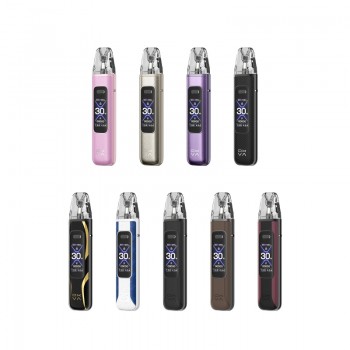
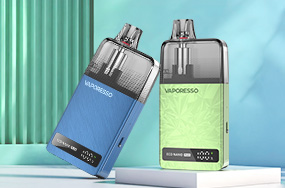
In addition to HNB and traditional cigarettes, many adult smokers also explore vape products as another smoke-free alternative. One example is the OXVA Slim Stick Kit, a compact vape device designed for smooth mouth-to-lung draws and simple, draw-activated use. With a built-in 1500 mAh battery, 2ml cigarette-like prefilled pods, and no buttons to press, it provides a cigarette-like experience that some users find easier to adopt when switching from smoking more approachable for many users.
Market & Target Audience
HNB Products
Designed for adult smokers seeking reduced odour and lower exposure compared to cigarettes, but not intended for non-smokers, youth, or pregnant individuals.
Traditional Cigarettes
Suitable for smokers wanting a strong taste and familiar use without device maintenance.
Practical Advantages & Disadvantages
HNB Advantages
- Lower levels of some harmful chemicals
- No ash, lighter smell
- Cleaner indoor use
HNB Disadvantages
- Not risk-free
- Requires charging and cleaning
- Long-term effects unclear
- Higher cost
Cigarette Advantages
- Simple, familiar
- No device needed
- Strong flavor
Cigarette Disadvantages
- Produces smoke, ash, and a strong odour
- High toxic chemical exposure
- Well-known long-term health risks
Conclusion
HNB and traditional cigarettes differ significantly in their mechanisms, emissions, health impacts, and user experiences. HNB reduces some harmful exposures but is not risk-free. Cigarettes create smoke, tar, and thousands of toxic chemicals. For adult smokers comparing HNB and traditional cigarettes, understanding these differences can support more informed decisions. As smoke-free alternatives continue to evolve, including options like vape products, choosing the right path ultimately depends on individual needs and long-term health considerations.
References
-
CDC — Heated Tobacco Products Overview
https://www.cdc.gov/tobacco/other-tobacco-products/heated-tobacco-products.html -
FDA — Heat-Not-Burn / Non-Combusted Cigarettes
https://www.fda.gov/tobacco-products/products-ingredients-components/how-are-non-combusted-cigarettes-sometimes-called-heat-not-burn-products-different-e-cigarettes-and -
FDA — Cigarette Harm & Chemicals
https://www.fda.gov/tobacco-products/products-ingredients-components/cigarettes
This article offers an evidence-based comparison of Heat-Not-Burn products, traditional cigarettes, and vaping alternatives, highlighting their mechanisms, health impacts, and user experiences to help adults make informed choices.
— Author: Aurola
https://vapesourcing.uk/blog/hnb-vs-traditional-cigarettes-key-differences.html